
Green data center solutions use efficient hardware, smarter cooling systems, and renewable energy to reduce waste while improving uptime and performance. These technologies create a more stable hosting environment, support long-term scalability, and help businesses control costs as infrastructure demands grow. Choosing a hosting partner that invests in sustainable data center practices gives your organization stronger reliability today and a more future-ready foundation for tomorrow.
Modern businesses rely on hosting that must stay fast, stable, and dependable around the clock. As infrastructure grows to meet these needs, so does the energy required to power and cool it. Green data center practices help address this challenge by reducing waste, improving efficiency, and supporting long-term scalability without compromising performance.
These improvements come from a combination of energy-efficient hardware, optimized cooling systems, and renewable power sources. The following sections break down how these technologies work and how they deliver real value to businesses that depend on consistent, high-performance hosting.
Background of Green Data Centers
A green data center focuses on energy efficiency at every level of operation. Two metrics are commonly used to measure this:
Power Usage Effectiveness (PUE): Indicates how much energy actually reaches computing equipment versus how much is used for overhead like cooling. A lower PUE means less waste.
Carbon Usage Effectiveness (CUE): Measures the carbon emissions tied to energy consumption.
These metrics matter to businesses because they reflect how efficiently a facility operates. The more stable and efficient the environment, the more predictable performance and costs become. Efficient data centers also experience fewer heat-related issues, which results in greater uptime and smoother operation for hosted applications.
What Makes a Data Center “Green”?
A green data center isn’t defined by one upgrade, it’s the combination of many interconnected systems working more efficiently. The most impactful improvements typically include:
Efficient Cooling and Airflow
By optimizing airflow paths, sealing hot and cold aisles, and reducing pockets of trapped heat, facilities maintain a steady climate that protects servers. This prevents hardware strain and minimizes the risk of unexpected slowdowns or failures.
High-Efficiency Server Hardware
Modern servers use components designed to deliver more computing power per watt. They produce less heat and reduce the workload on cooling systems. For businesses, this means more consistent performance without spikes in energy demand.
Real-Time Monitoring
Automated monitoring systems track temperature, power usage, and system loads. These tools help adjust cooling or power distribution before small problems turn into service-impacting events. Businesses benefit from stability that supports growth without interruptions.
Renewable Energy Sources
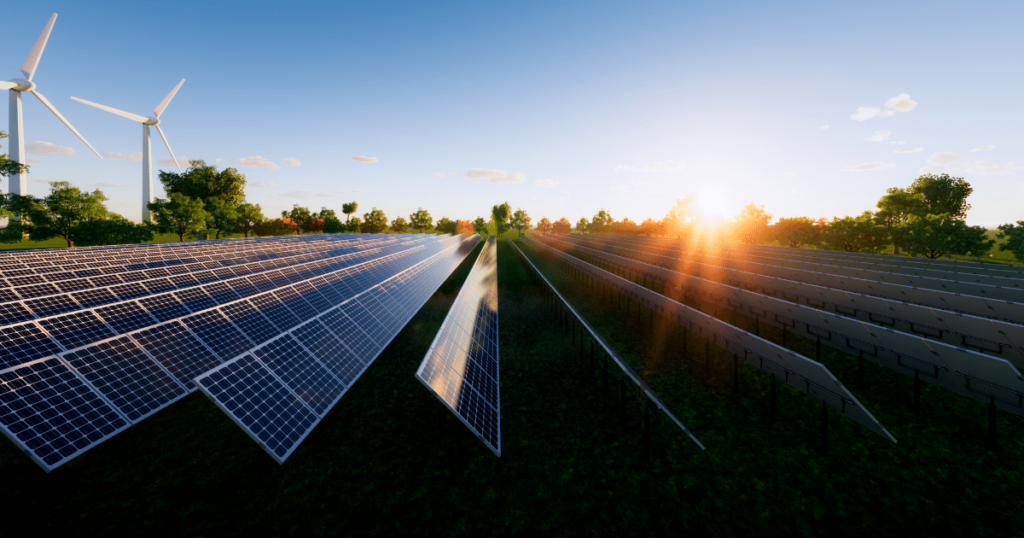
Where possible, facilities integrate solar, wind, or geothermal energy. This reduces dependency on traditional power grids and helps companies reduce the carbon footprint associated with their online operations.
When these elements work together, the data center becomes both more sustainable and more capable of supporting business-critical workloads with confidence.
Examples of Green Data Center Technologies
Beyond renewable power, modern green data centers use several technologies that directly improve efficiency and reliability. These improvements often translate into smoother performance for businesses, especially as workloads grow or traffic becomes less predictable.
Low-Power Servers
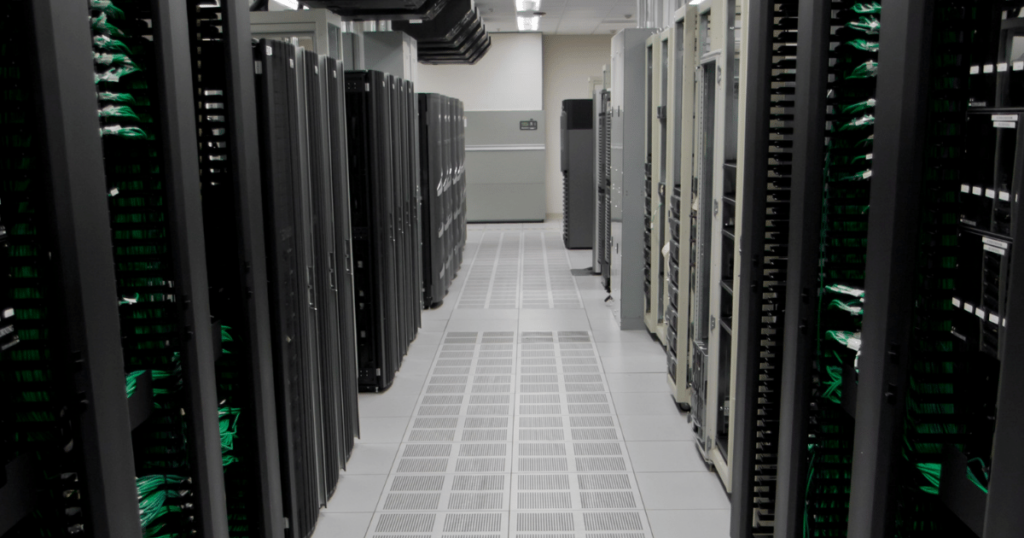
Low-power servers, inspired by the efficiency of mobile processors, deliver strong performance while using far less energy than traditional models. Because they produce less heat, the cooling system doesn’t have to compensate for large temperature swings. This leads to:
Reduced operational strain on the facility
Fewer thermal-related performance issues
A more stable hosting environment for business applications
These servers help data centers scale capacity without creating energy or cooling bottlenecks, supporting long-term growth for hosted workloads.
Free Air Cooling
In cooler climates, some facilities use free air cooling systems that pull filtered outside air into the data center. Instead of relying solely on energy-intensive air conditioning, they use natural temperatures to help maintain safe hardware conditions.
This approach lowers energy consumption and reduces wear on cooling machinery. For businesses, the advantage is a more efficient data center that maintains stable performance without expensive or failure-prone cooling systems.
Reusing Waste Heat
Some facilities capture the heat produced by servers and repurpose it to warm nearby buildings or support other on-site systems. This creates an additional layer of efficiency and reduces the energy required for heating elsewhere.
Examples include:
Warming campus buildings
Heating nearby residential areas
Supporting industrial processes that require heat
For hosted businesses, this means being part of a more sustainable and future-focused infrastructure that reduces environmental impact without affecting performance.
Dedicated Servers with Premier Care Support
Serious infrastructure needs comprehensive support. Premier Care provides the security tools, backup protection, and expert assistance your business requires.
 Professional Setup Fully-Managed 24/7 Expert Human Support
Dedicated Server Hosting
Why These Advancements Matter for Your Business
Investing in hosting backed by green data center technology can provide several advantages beyond environmental responsibility:
More Predictable Performance: Efficient thermal management reduces heat-related slowdowns and hardware failures.
Better Long-Term Reliability: Lower stress on equipment often translates into higher uptime.
Support for Scaling: Efficient infrastructure can grow alongside your business without sacrificing speed or stability.
Lower Indirect Costs: Better efficiency helps data centers control operating expenses, making long-term pricing more stable.
Stronger Brand Alignment: Many organizations now prefer working with vendors that prioritize sustainability, giving your business an added layer of credibility.
Green data centers aren’t just about reducing energy use: they create a more controlled, dependable environment for the applications your business relies on every day.
Why Green Data Centers Are Becoming the New Standard
Understanding how sustainable data center technologies work gives you a clearer picture of what to look for in a hosting provider. Facilities that prioritize efficiency can offer better uptime, steadier performance, and more room for your business to grow. As more companies look for ways to reduce environmental impact without compromising quality, green hosting solutions provide a practical path forward for both sustainability and operational strength.